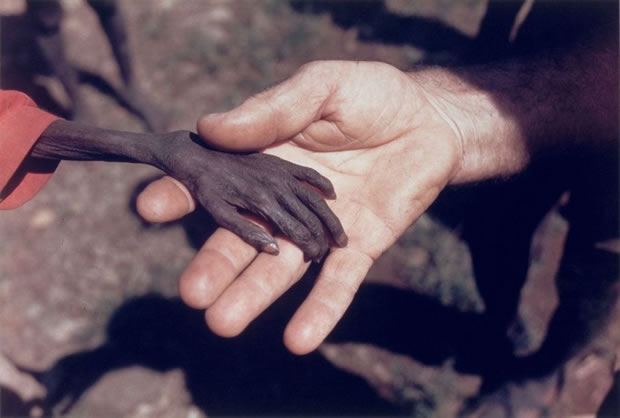
Photography done by Mike Wells, in April 1980, shows a child in the province of Karamoja, Uganda, holding hands with a missionary. The contrast between the two hands serves as a reminder of the chasm that separates developed and underdeveloped countries. The photograph remained unpublished for years. Photographer: Mike Wells.
This photograph shows Omayra Sanchez, a 13-year-old girl who was trapped in construction waste after a landslide caused by the eruption of the volcano Nevado del Ruiz, which devastated the village of Armero, Colombia, in 1985. Rescuers were unable to rescue her. She died about 60 hours after being trapped. The photo won the World Press Photo 1985. Photographer: Frank Fournier.
This photograph, which caused outrage around the world, shows separate drinking fountains for whites and blacks in North Carolina, United States. Until the 1950s, the african-Americans were not entitled to vote, were segregated socially and comprised the poorest segment of the U.S. population. Photographer: Elliott Erwitt.
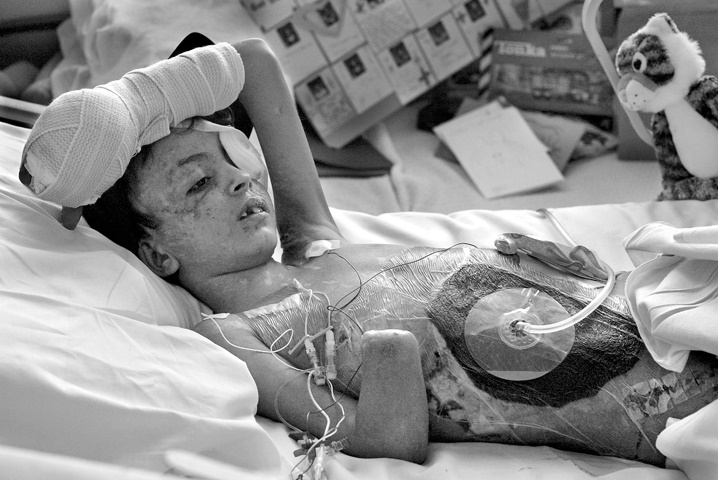
Pulitzer Prize award winning photojournalist Deanne Fitzmaurice won the highly respected award in 2005 for the photographic essay “Operation Lion Heart”. Operation Lion Heart is the story of a 9-year-old Iraqi boy who was severely injured by an explosion during one of the most violent conflicts of modern history – the Iraq War. The boy was brought to a hospital in Oakland, CA where he had to undergo dozens of life-and-death surgeries. His courage and unwillingness to die gave him the nickname: Saleh Khalaf, “Lion Heart”. Photographer: Deanne Fitzmaurice.
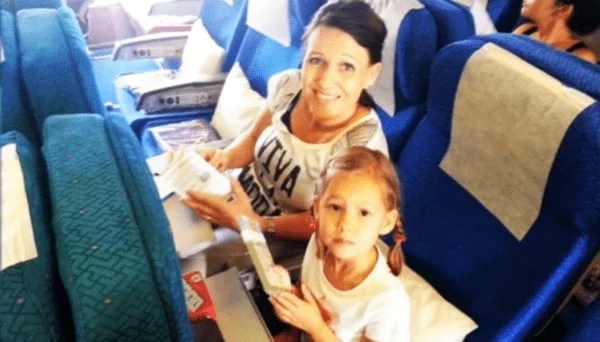
Dave Hally took this last photo of his wife Kim and their four-year-old daughter before they took off for their dream vacation aboard Malaysia Airlines Flight 17 (MH17). Shortly afterward, the passenger airliner crashed and burned in eastern Ukraine on July 17, 2014 — killing 298 people on board including the Hally family.
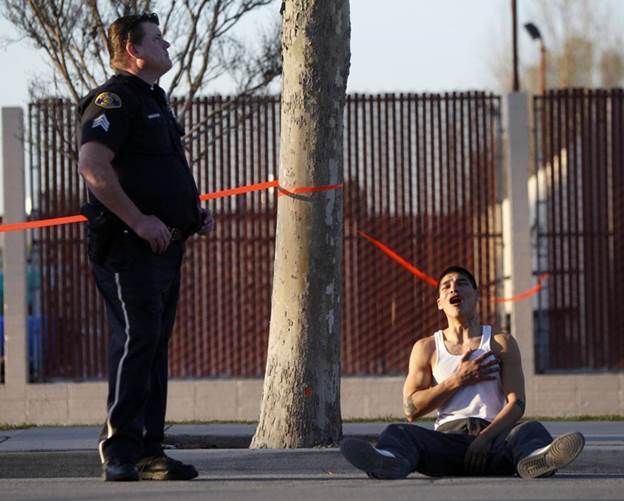
This picture was taken after the boy sitting on the ground learned that his brother was a murderer.
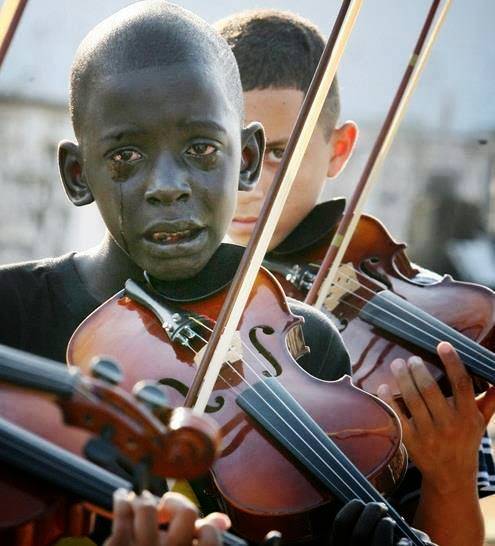
The boy in the picture was called Diego Frazão Torquato who is playing the violin at the funeral of his favorite teacher, John Evandro da Silva, the man who gave him the chance to escape from poverty. Diego suffered from leukemia and passed away a year after this photo was taken when he was 12 years old.
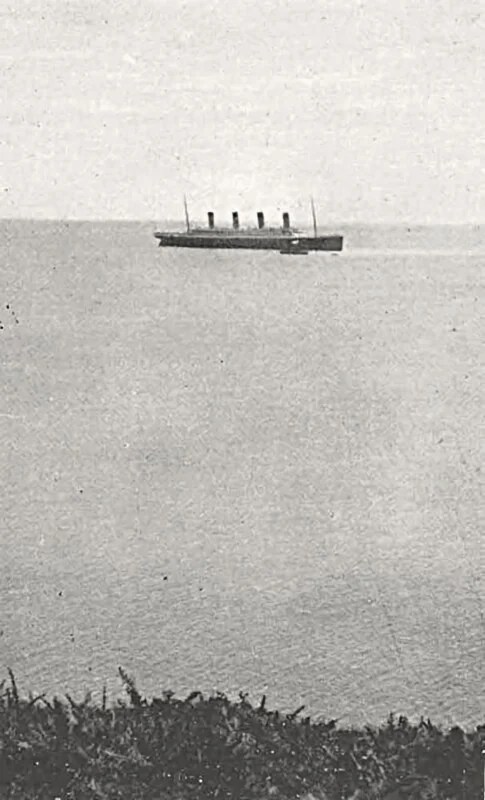
This image is believed to be the last known photograph of the RMS Titanic on her doomed maiden voyage. The photo was taken on 11 April 1912, just after Titanic departed Queenstown with an estimated 2,224 passengers and crew aboard as the vessel embarked on her final journey. About 1,500 people died on the Titanic after it collided with an iceberg and sank — making it the deadliest sinking of a single ship up to that time.
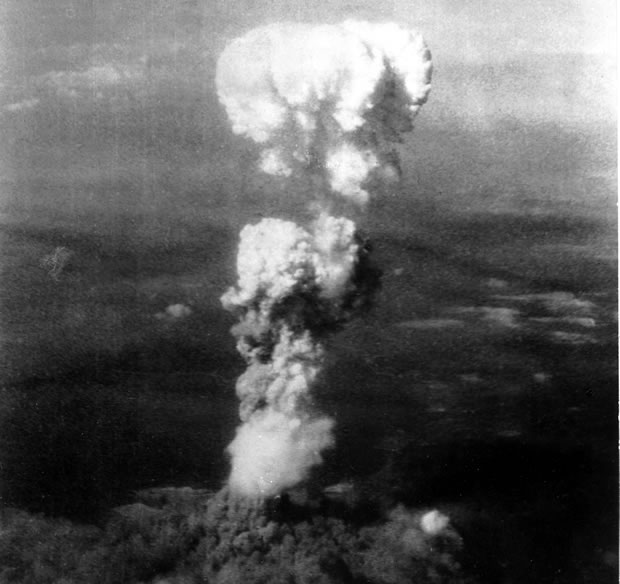
This photograph shows the first atomic bombing in history. On August 6, 1945, the city of Hiroshima was devastated by atomic fission bomb called Little Boy, launched by the United States, resulting in 258,000 deaths and injuries. Photographer: George William Marquardt (the airplane pilot).
Pablo Bartholomew is an acclaimed Indian photojournalist who captured the Bhopal Gas Tragedy into his lens. Almost 30 years have passed since India’s worst industrial catastrophe injured 558,125 people and killed as many as 15,000. Because safety standards and maintenance procedures had been ignored at the Union Carbide India Limited (UCIL) pesticide plant in Bhopal, a leak of methyl isocyanate gas and other chemicals triggered a massive environmental and human disaster. Photographer Pablo Bartholomew rushed to document the catastrophe. He came across a man who was burying a child. Photographer: Pablo Bartholomew.
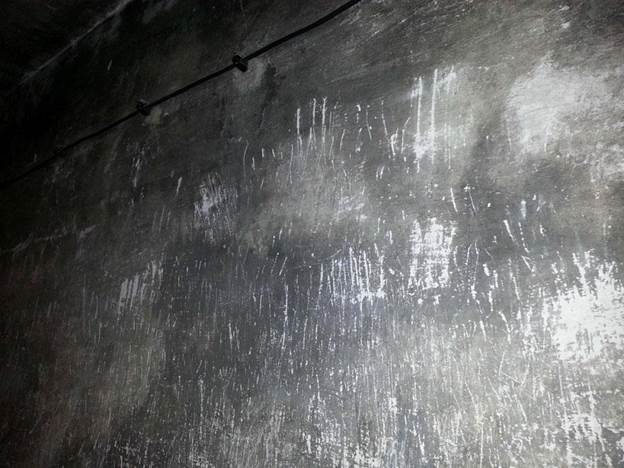
A wall inside a gas chamber in Auschwitz.
Discover more from Nudist Geek
Subscribe to get the latest posts sent to your email.
One thought on “Photographic Moments That Define Humanity.”
Dear god. Such sad situations / photos.
When I moved to the Portland, OR, area in 1977, I was shocked to see in Old Town the remnants of 2 signs dimly visible in faded, decaying paint [Whites Only] and around the corner where an old doorway was bricked up [Colored Entrance]. I quickly learned of the dark history of segregation & discrimination in Portland as recently as the 1930s. Younger people don’t know this societal dirt. Is that good – or bad?
Problems akin to the risky, dirty, poisonous factories of Bhopal, India are still occurring worldwide. Companies like Union Carbide create local subsidiaries to distribute risk, blame, consequences to. The global parent is insulated with “plausible deniability” and often escapes retribution.




 Nudist Geek
Dear god. Such sad situations / photos.
When I moved to the Portland, OR, area in 1977, I was shocked to see in Old Town the remnants of 2 signs dimly visible in faded, decaying paint [Whites Only] and around the corner where an old doorway was bricked up [Colored Entrance]. I quickly learned of the dark history of segregation & discrimination in Portland as recently as the 1930s. Younger people don’t know this societal dirt. Is that good – or bad?
Problems akin to the risky, dirty, poisonous factories of Bhopal, India are still occurring worldwide. Companies like Union Carbide create local subsidiaries to distribute risk, blame, consequences to. The global parent is insulated with “plausible deniability” and often escapes retribution.
LikeLike